
Understanding the Omni-Channel Approach in Marketing
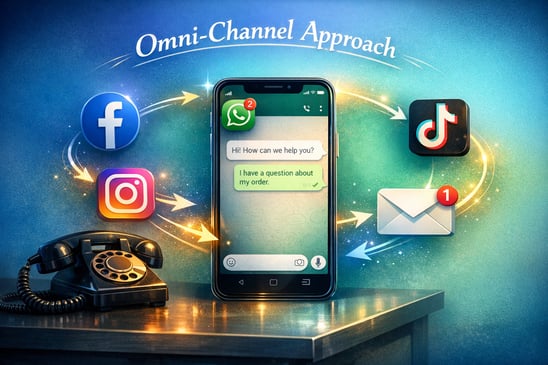
Understanding the Omni-Channel Approach in Marketing
True omni-channel marketing is about far more than simply “being present” on multiple channels. It is the disciplined practice of designing a single, continuous customer journey that spans every touchpoint—online and offline—while keeping context, data and messaging perfectly in sync. Instead of thinking in terms of isolated campaigns or departments, omni-channel starts with the customer’s life, needs and routines, then works backwards to design how your brand should show up consistently across their preferred channels.
At its core, Growpath CX is customer-centric, not channel-centric. The objective is to ensure that no matter where a customer engages—whether they are scrolling through social media, searching on Google, walking into a physical branch, speaking to your team on the phone, or logging into a portal—they experience the same level of recognition, relevance and reliability. Their history, preferences and intent are understood and carried with them, so they never feel like a stranger to your business.
To achieve this, omni-channel marketing brings together four critical elements:
- Unified data – All behavioural, demographic and transactional data is captured in one place, rather than scattered across separate tools. This gives you a single, accurate view of each customer and their journey.
- Consistent messaging and branding – Your tone, offers, promises and visual identity are aligned across email, ads, social, web, in‑store experiences, call centres and support channels, so customers know exactly who they are dealing with.
- Real-time context and orchestration – Your systems can react to what customers are doing right now, not just what they did last month. When someone fills in a form, opens an email, abandons a cart, raises a ticket or calls your office, that action can trigger relevant next steps across multiple channels.
- Connected teams and processes – Marketing, sales, service and operations all work from the same source of truth. Handoffs between teams become seamless because everyone can see the full story behind each contact or account.
For growing businesses, this approach is particularly powerful. Instead of scaling by adding more disconnected tools and headcount, an omni-channel strategy allows you to scale intelligently—using automation, integrated systems and shared insight to deliver personalised, high-quality experiences at volume. Ultimately, omni-channel marketing is about meeting customers where they are, respecting their time and preferences, and making every interaction feel like a natural continuation of the last. When done well, it reduces friction, builds trust and creates a competitive advantage that is very difficult for fragmented, single-channel competitors to match.
Growpath CX is built to turn this omni-channel vision into something practical and measurable, by unifying your core customer channels into one connected platform.
Key Omni-Channel Touchpoints in Growpath CX
To translate omni-channel strategy into day-to-day activity, it helps to understand the role of each major channel in your customer journey. Growpath CX brings these touchpoints together, so every interaction contributes to a single, connected experience.
Voice (Calls and Telephony) 
Voice remains one of the most powerful ways to build trust, resolve complex issues and close high‑value deals. Integrated with Growpath CX, every inbound and outbound call can be logged automatically against the right contact, company, deal or ticket. Teams can see who is calling, their full interaction history, and any open opportunities or issues before they even answer the phone. Features like call recording, call routing and call analytics then help you improve quality, coaching and performance over time—while keeping all voice activity aligned with your broader customer journey.

Email is the backbone of most B2B communication and a critical driver of lead nurturing and customer retention. Within Growpath CX, email moves from being a standalone tool to a fully integrated channel. You can send one-to-one emails fromsales and support, design automated nurture sequences from marketing, and trigger transactional messages based on real-time events—all while tracking opens, clicks and replies on the same contact timeline. This makes it easy to tailor content, timing and frequency to each customer’s stage, preferences and engagement level.

Facebook is often where awareness and early engagement begin. With Growpath CX, your Facebook activity is not isolated from the rest of your marketing. You can connect your Facebook business page and ads so that leads generated through forms, lead ads or Messenger are captured directly into your CRM. Campaign performance is tied to actual contacts, deals and revenue, giving you a clear view of which audiences and creatives are driving real pipeline. This allows you to retarget intelligently, personalise messaging and coordinate Facebook campaigns with email, website and other channels.
 Instagram
Instagram is a visual, discovery-driven channel where brands can showcase their story, culture and products. When integrated into Growpath CX, Instagram engagement becomes part of the same unified view of the customer. You can track which posts and stories are driving traffic and conversions, link bio and story CTAs to Growpath CX-powered landing pages, and attribute form fills, demo requests or ecommerce activity back to specific campaigns. This turns Instagram from a vanity metric channel into a measurable, connected part of your omni‑channel strategy.
 WhatsApp
WhatsApp is fast becoming a primary communication channel for customers in South Africa and beyond. Connected to Growpath CX, WhatsApp conversations can be centralised alongside email, calls and chat, so your team never loses context. Customers can confirm appointments, request support, receive updates, or share documents in a channel they already trust—while your agents work from a single workspace. Conversation history is stored on the contact record, enabling you to see how WhatsApp interactions influence satisfaction, retention and revenue.
The Limitations of Traditional Marketing Platforms
Most traditional marketing and sales tools were never designed for omni-channel. They grew up as point solutions: an email platform here, a social tool there, a separate CRM, and a standalone help desk bolted on the side. On paper, you may “have everything”, but in practice, each system holds a different version of the customer.
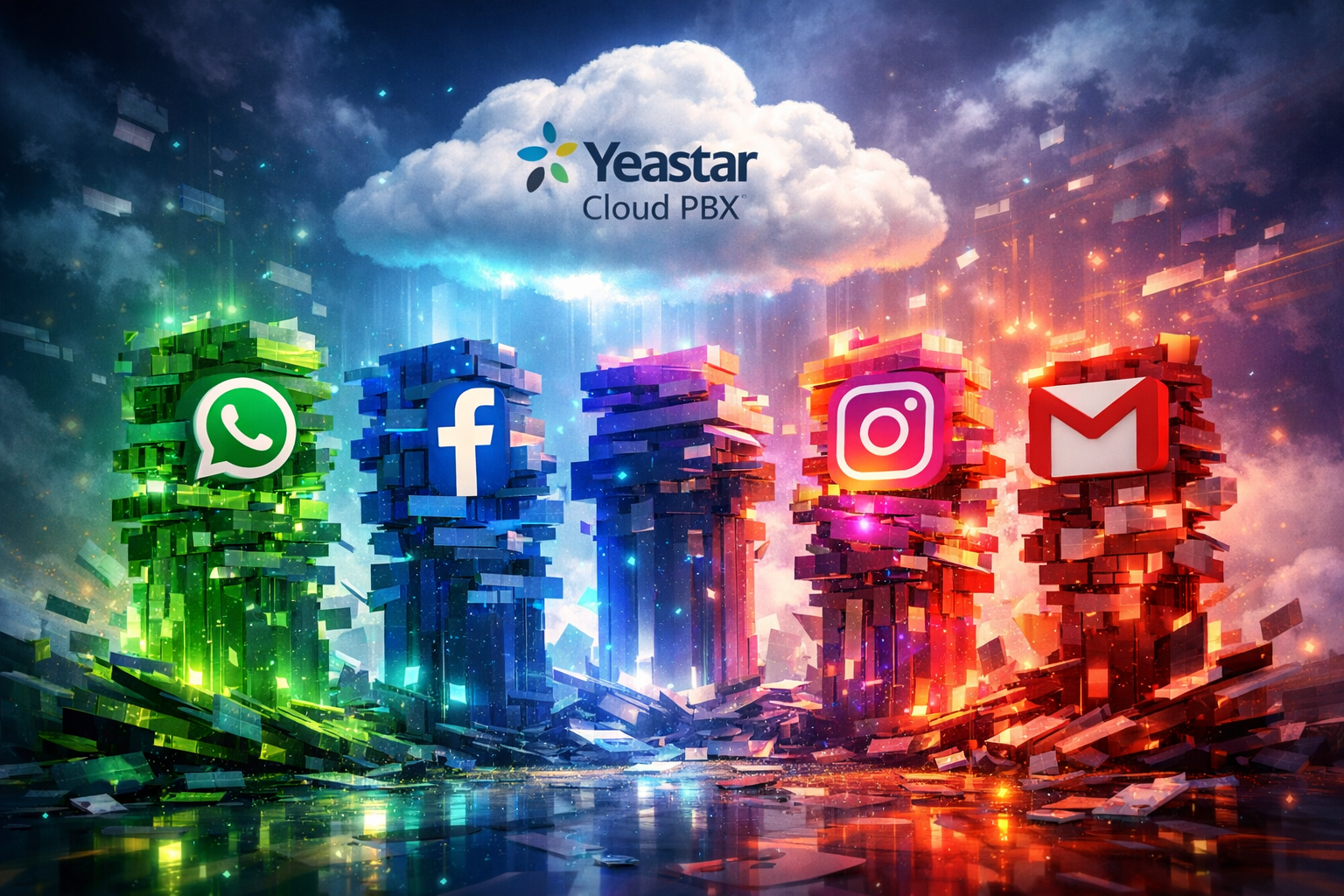
These fragmented stacks introduce several critical problems:
Data silos and incomplete customer views
Email engagement, website behaviour, call logs, support tickets, and deal activity often live in separate databases. Teams can’t see the full journey, which leads to inconsistent messaging and missed opportunities.
Channel-centric rather than customer-centric
Traditional tools tend to optimise for one channel at a time—email opens, social clicks, or call volumes—rather than the end-to-end customer experience. As a result, customers experience disjointed interactions that don’t reflect their history or intent.
One-way and delayed communication
Legacy platforms rely heavily on batch campaigns and manual follow-up, making it difficult to respond in real time as customers move between channels. The system can’t automatically adapt to new behaviours—like a high-intent website visit or a support issue—without complex, brittle integrations.
Complex IT overhead and integration risk
Stitching together multiple tools with custom integrations and middleware is costly to build and maintain. When one part changes, something else breaks. For growing businesses, this complexity slows down innovation and makes it hard to experiment with new channels or strategies.
Limited automation and intelligence
Without a unified data layer, advanced capabilities like AI-driven recommendations, predictive lead scoring, multi-touch attribution, or journey analytics become very difficult to implement reliably.
Businesses that rely on these traditional, channel-specific tools may appear active across many touchpoints—but what the customer feels is a series of disconnected conversations.
How Growpath CX Enables True Omni-Channel
Growpath CX is designed from the ground up to solve these challenges by providing a single platform that unifies your data, channels and teams. It brings together capabilities that would traditionally sit in separate systems and orchestrates them around one central CRM.

A Unified CRM at the Core
At the heart of Growpath CX is a powerful CRM that stores every interaction—marketing engagement, sales activity, support conversations, website behaviour, call logs and more—in a single timeline for each contact and company. Custom objects allow you to model your unique business data (contracts, subscriptions, assets, locations, etc.), ensuring every stakeholder has the context they need.
Integrated Marketing: Email, Social, Ads, Content and Web
Growpath CX provides a complete marketing engine on top of this CRM:
Email marketing and automation: for targeted broadcasts, lifecycle nurturing, and transactional communications.
Social media tools: to schedule, publish and monitor content across major social channels, tying engagement back to individual contacts.
Paid ads management: to connect your Google, Facebook, LinkedIn and other campaigns directly to your CRM, enabling full-funnel attribution.
Blog and content management: your articles, resources and landing pages live in the same environment as your marketing data.Landing pages and website CMS: that connect form submissions, chat interactions and content consumption directly to contact records, enabling more intelligent follow-up.
Because everything is tied to a single data model, Growpath CX can trigger workflows and personalisation based on any combination of behaviour across email, web, social, and ads.
Sales Tools Connected to the Same Customer View
True omni-channel doesn’t stop at marketing. Growpath CX includes sales capabilities that are fully integrated with your marketing and service data:
 1. Deals and pipelines: to manage opportunities with custom stages, properties and automation.
2. Meeting links: that sync with calendars, making it easy for prospects and customers to book time without back-and-forth emails.
3. Quotes and proposals: generated directly from the CRM, linked to deals, contacts and companies.
4. Sales sequences and automation: to coordinate follow-ups across email, calls and tasks with consistent messaging.
Sales teams see the full history of marketing engagement and support interactions, enabling more relevant conversations and better prioritisation.
Service, Support and Customer Portals on the Same Platform
Omni-channel also requires a unified service experience. Growpath CX provides:
 - Ticketing and help desk: to manage support requests from email, web forms, live chat, and phone.
- Shared inboxes: that multiple agents can work from, with clear ownership and SLAs.
- Knowledge base and self-service content: to help customers find answers themselves, integrated with your website and portal.
- Live chat and chatbots: for real-time support, lead qualification and FAQs—on your website and potentially across other messaging channels.
A World of Customer portals where clients can log in, view ticket history, access documentation, and interact with your team in a secure, branded environment. Every interaction, from a quick chat to a complex support case, flows back into the same CRM record, giving your teams complete visibility.
Telephony, Call Tracking and 2000+ Integrations
A defining feature of true omni-channel is the ability to bridge digital channels with voice. Growpath CX supports:
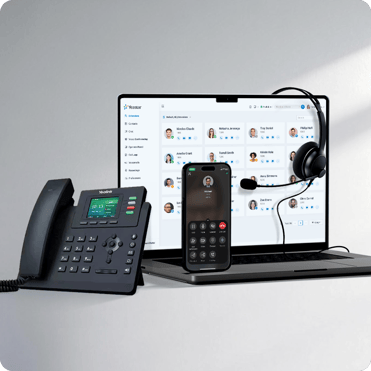
1. Call tracking and logging: so inbound and outbound calls are automatically associated with contacts, companies and deals.
2. Deep integrations with telephony and VoIP platforms: to connect your call centre, hosted PBX and softphone tools into the same customer view.
3. Over 2,000 integrations: across telephony, ecommerce, payments, productivity tools, collaboration platforms and more. This includes popular systems your team already relies on—ensuring data can flow in and out of Growpath CX without manual exports or fragile custom code.
These integrations mean that whether a customer places an order in your ecommerce store, pays an invoice, joins a webinar, or calls your support line, the activity is captured and available in one place.
Automation, AI and Operations: The Engine Behind Omni-Channel
To make all of this manageable and scalable, Growpath CX provides powerful automation and AI capabilities:
1. Automation workflows: that can enrol contacts, companies, deals or tickets based on any trigger—form submissions, email engagement, lifecycle stages, custom properties, and more. Workflows can update data, send communications, rotate leads, trigger tasks, and sync with external tools.
2. AI-assisted content creation and optimisation: to help teams draft emails, landing page copy, blog content and support responses faster—aligned with your brand tone.
3. Predictive scoring and insights: that help you identify high-intent leads or at-risk customers, using behavioural and demographic signals from across channels.
4. Reporting and analytics: including funnel reports, dashboards, customer journey views, and multi-touch attribution that tie marketing, sales and service efforts back to revenue.
5. Data sync and operations tools: to keep customer information clean, consistent and up to date across systems, with custom objects and flexible integrations to model complex real-world processes.
Together, these capabilities give businesses of all sizes the power to design and operate a truly omni-channel strategy, without needing a large IT team to hold it together.
Real-World Scenarios: Omni-Channel in Action
To understand what this looks like day-to-day, consider a few practical scenarios:
1. From Ad Click to Closed Deal
A prospect clicks a LinkedIn ad and lands on a Growpath CX-powered page offering a free assessment. They complete the form, which automatically creates or updates a contact in the CRM, adds them to a marketing list, and triggers a nurture workflow.
Over the next week, they receive a targeted email series based on their industry and company size. They return to your website, where the content and CTAs adapt to their stage in the journey. When they book a meeting using a sales rep’s Growpath CX meeting link, the deal is created automatically and added to the pipeline.
During the discovery call, the rep can see the full history of ad clicks, email opens, page views and prior interactions, enabling a more focused conversation. Follow-up tasks and reminders are automated, and when the deal is ready, the quote is generated directly from the same system—no retyping, no context lost.
2. Seamless Support Across Channels
An existing customer logs a ticket via your customer portal about a billing query. A few hours later, they follow up through live chat on your website. With Growpath CX, your support team sees that both touchpoints relate to the same issue, from the same customer, in a single ticket thread.
If the case requires a call, the support agent can dial out from an integrated telephony solution, with the call automatically logged against the ticket. The agent can access previous tickets, product usage data and account details without switching systems. Once resolved, the customer receives a personalised survey email, and their satisfaction score feeds back into reporting and retention workflows.
3. Proactive Retention and Upsell
Using Growpath CX’s analytics and predictive capabilities, your team identifies a group of customers who show signs of churn—declining engagement, multiple unresolved support issues, or reduced usage.
An automation workflow enrols these customers into a targeted retention programme, triggering personalised outreach from account managers and tailored content that addresses their specific challenges. At the same time, high-value customers who show strong engagement might be routed into an upsell campaign, with sales notified when they engage with pricing content or request additional information.
In each case, the actions are coordinated across email, phone, meetings, and portal interactions—driven by a unified view of the customer, not isolated channel metrics.
The Future of Omni-Channel: Data, AI and Connected Systems

The future of marketing, sales and service will belong to organisations that can turn complex, multi-channel journeys into simple, coherent experiences for their customers. This future is being shaped by three key forces:
1. Deeper data integration
Businesses will continue to connect more systems—finance, logistics, product usage, contact centre data—into their customer platforms. Growpath CX’s 2000+ integrations and operations tools position it as the central hub for this connected ecosystem.
2. Smarter, AI-driven experiences
AI will increasingly power content creation, next-best-action recommendations, predictive lead and churn scoring, and dynamic personalisation across web, email, ads and service. With data centralised, Growpath CX can apply AI models consistently across the entire customer journey.
3. Greater customer expectations for cohesion
As consumers and B2B buyers move fluidly between devices and channels, they expect brands to recognise them, remember their context, and respond intelligently. Businesses that still rely on disconnected tools will find it harder to keep up, while those on unified platforms like Growpath CX can adapt quickly.
By embracing a true omni-channel approach—rooted in a single, connected platform rather than a patchwork of tools—businesses can create experiences that feel effortless to the customer and efficient for internal teams. Growpath CX is built to help you get there, giving you the clarity, control and confidence to design customer journeys that drive real, measurable growth.
Why Growpath CX is the Smarter Choice for Omni-Channel – And Why You Should Talk to Us
When you compare Growpath CX to traditional, stitched‑together stacks, the difference is clear. Most platforms give you pieces of the puzzle—an email tool here, a CRM there, a help desk somewhere else—and leave it up to your team to connect the dots. Growpath CX gives you the full picture from day one: a single platform that unifies voice, email, Facebook, Instagram, WhatsApp, your service desk and sales operations into one coherent customer experience.
Because everything lives in one place, you gain:
.png?width=305&height=305&name=Growpath%20Icons%20(4).png)
- One version of the truth across marketing, sales, and service, rather than conflicting data in multiple systems.
- Faster time to value, with less complexity, fewer integrations to maintain, and a platform that scales as you grow.
- Deeper insight and better decisions, driven by end-to-end reporting, customer journey analytics and AI-powered insights.
- Stronger customer relationships, thanks to consistent, personalised experiences on every channel your customers actually use.
For growing businesses that need enterprise-grade capability without enterprise-level complexity, Growpath CX offers a practical, future-proof way to deliver true omni-channel experiences—backed by our expertise in telephony, unified communications and IT deployment.
If you are ready to move beyond disconnected tools and start building a connected, high-performing customer journey, we would love to talk.
Get in touch with Growpath today
Explore how Growpath CX can be tailored to your business, simplify your tech stack, and help you create the kind of seamless customer experience that sets you apart in your market.